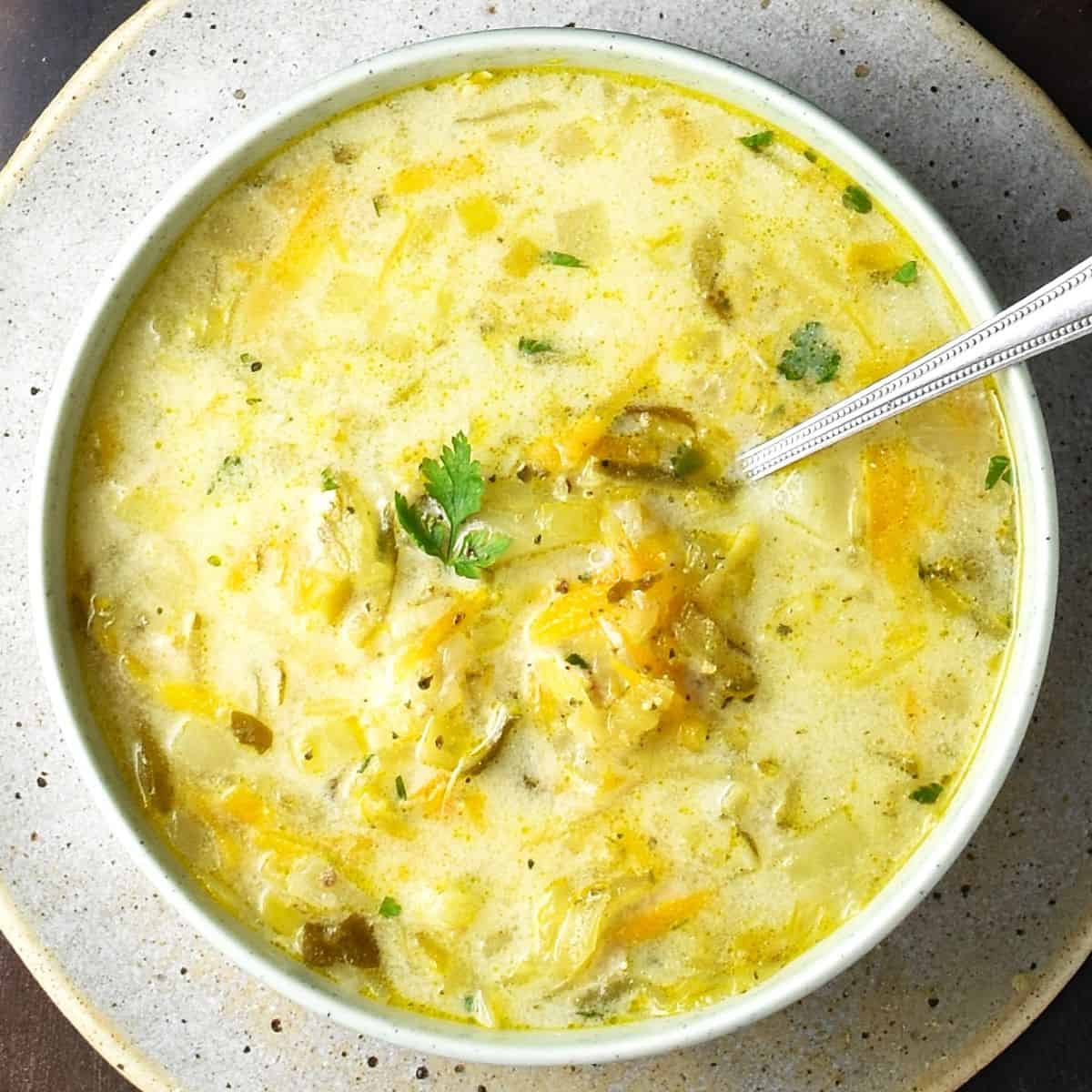
Traditional Zupa Ogórkowa: The No-Vinegar Polish Pickle Edge
Step into the heartwarming world of Polish cuisine, and you'll quickly encounter a dish that's as comforting as it is intriguing: Zupa Ogórkowa. Often known simply as **polish dill pickle soup**, this culinary masterpiece transcends the ordinary, offering a unique blend of flavors that dance between tangy, creamy, and deeply savory. But what truly sets this traditional soup apart, giving it an undeniable "edge," lies in the very pickles it champions – a no-vinegar marvel that defines its authentic taste.
Forget any preconceived notions of what a pickle soup might be. This isn't a jarringly sour concoction. Instead, Zupa Ogórkowa is a beautifully balanced symphony, where humble ingredients come together to create a profoundly satisfying experience. Imagine tender, creamy potatoes, earthy carrots, and sweet onions forming a rich base, infused with the bright, complex tang of naturally fermented dill pickles and their precious brine. Finished with a swirl of sour cream and a generous sprinkle of fresh dill, it’s a bowl that speaks of heritage, resourcefulness, and pure comfort.
The Heart of the Matter: Unpacking Polish Dill Pickle Soup's Unique Charm
For many, the idea of a soup centered around pickles might raise an eyebrow, but for those familiar with Eastern European kitchens, **polish dill pickle soup** is a beloved staple. It's a dish that warms you from the inside out, especially during colder months, yet its vibrant acidity also makes it surprisingly refreshing. The genius of Zupa Ogórkowa lies in its sophisticated contrast of flavors and textures.
On one hand, you have the grounding richness of starchy potatoes, which soften beautifully in a savory broth, lending body and a soothing creaminess. On the other, the lively acidity of the dill pickles cuts through this richness, providing a delightful pucker and a depth of flavor that can't be replicated. This isn't a one-note sour dish; it's a multi-layered experience where each spoonful offers something new – a hint of dill, the earthiness of root vegetables, the creamy embrace of sour cream, and that distinctive, clean tang of a truly authentic Polish pickle. It’s no wonder this soup has been passed down through generations, becoming a cherished part of family traditions and culinary pride.
The "No-Vinegar" Secret: What Makes Polish Pickles Special
At the very core of Zupa Ogórkowa's unparalleled flavor is the specific type of pickle used: the traditional Polish fermented dill pickle. This is where the "no-vinegar edge" truly comes into play, distinguishing it dramatically from many commercially available pickles. Unlike their vinegar-brined counterparts, Polish pickles, often referred to as *Ogórki Małosolne* when young, or simply *ogórki kiszone* when fully fermented, are created through a process of natural lacto-fermentation.
This ancient preservation method relies on a simple brine of water, salt, garlic, dill, and sometimes horseradish leaves. Beneficial bacteria naturally present on the cucumbers convert sugars into lactic acid, which acts as a preservative and imparts a uniquely complex flavor. The absence of harsh vinegar means these pickles offer a *cleaner, brighter, and more nuanced tang* – one that's less aggressive and more integrated into the overall flavor profile of the soup. This fermentation process also contributes beneficial probiotics, adding a subtle health dimension to this delicious dish.
For the best **polish dill pickle soup**, it’s crucial to seek out these naturally fermented pickles. They typically won't be found in the refrigerated section next to vinegar pickles, but rather in the specialty or international food aisles, sometimes even in glass jars that indicate "lacto-fermented" or "no vinegar." Allowing these pickles to ferment for at least a week before using them ensures they've developed the full, rich flavor necessary to infuse the soup with its characteristic depth. Using sweet gherkins or vinegar-heavy pickles would fundamentally alter the taste, leading to a much harsher, less authentic experience.
Beyond the Brine: A Culinary Journey Through Zupa Ogórkowa's Ingredients
While the pickles are undoubtedly the star, the supporting cast in **polish dill pickle soup** is equally vital, each ingredient playing a crucial role in building the soup's robust flavor and comforting texture.
* **The Foundation (Onion, Celery, Carrots):** Sautéing diced onion, celery, and carrots in olive oil creates a flavorful *soffritto* or *mirepoix*. This aromatic base provides a crucial layer of sweetness and earthy depth that balances the pickles' tang. Don't rush this step; allowing the vegetables to soften and slightly caramelize builds the foundational flavors of the soup.
* **The Body (Russet Potatoes):** Finely cubed russet potatoes are essential for lending body and a wonderful creaminess to the soup. As they cook, their starches release into the broth, naturally thickening it and creating that satisfying, hearty texture.
* **The Thickener (All-Purpose Flour):** A tablespoon of flour, sprinkled over the sautéed vegetables and cooked for a couple of minutes, forms a light roux. This not only helps to thicken the soup but also eliminates any raw flour taste, creating a smooth, velvety consistency.
* **The Liquid Gold (Vegetable Broth & Pickle Juice):** A combination of vegetable broth provides the savory base, while the precious dill pickle juice (brine) is where much of the soup's distinctive tang comes from. This dual liquid approach ensures a rich, full-bodied soup with an authentic pickle punch.
* **The Spice Palette (Salt, Pepper, Paprika, Turmeric):** While salt and pepper are standard seasonings, the addition of paprika and turmeric adds warmth, a beautiful golden hue, and subtle, earthy undertones that enhance the overall flavor profile without overpowering the main pickle notes.
* **The Finishing Touch (Sour Cream & Fresh Dill):** Before serving, a generous half-cup of sour cream is stirred in, adding a luxurious creaminess and further balancing the soup's acidity. It's crucial to temper the sour cream with a ladleful of hot soup broth before adding it to the pot to prevent curdling. Finally, a sprinkle of fresh dill for garnish isn't just for aesthetics; its bright, herbaceous notes perfectly complement the pickles and elevate the entire dish.
Crafting Your Own Bowl of Polish Dill Pickle Soup: Tips for Success
Making a truly exceptional Zupa Ogórkowa is an achievable feat for any home cook. Here's a simplified guide with tips to ensure your homemade **polish dill pickle soup** captures that traditional, no-vinegar edge:
1. **Start with the Aromatics:** In a large pot, heat 2 tablespoons of olive oil over medium-high heat. Add your diced onion, celery, and carrots. Sauté for 2-3 minutes until they begin to soften.
2. **Add Potatoes and Flour:** Stir in 3 finely cubed russet potatoes and cook for another 1-2 minutes. Sprinkle 1 tablespoon of all-purpose flour over the vegetables and stir well, cooking for 2 more minutes. This step is vital to cook out the "raw" flour taste and build your base.
3. **Combine Liquids and Flavors:** Pour in 4 cups of vegetable broth, 2 cups of chopped dill pickles, and ½ cup of dill pickle juice. Add 1 teaspoon each of salt, pepper, paprika, and turmeric. Stir everything to combine.
4. **Simmer to Perfection:** Bring the mixture to a boil, then reduce the heat to medium and let it simmer for 20 minutes, stirring occasionally. This allows the potatoes to become tender and all the flavors to meld beautifully.
5. **The Creamy Finish:** Once the potatoes are tender, remove the pot from the heat. In a separate small bowl, whisk a ladleful of the hot soup with ½ cup of sour cream to temper it. This prevents the sour cream from curdling when added to the hot soup. Slowly stir the tempered sour cream back into the pot.
6. **Garnish and Serve:** Ladle into bowls and garnish generously with fresh dill. Serve hot, perhaps with a slice of crusty rye bread for dipping.
For more detailed instructions on creating this comforting meal, check out our companion article:
Creamy Polish Dill Pickle Soup: A Traditional Comfort Meal. And to delve deeper into the rich history and cultural significance, explore
Zupa Ogórkowa: Unveiling Poland's Tangy Pickle Soup Heritage. This dish can also be adapted with a touch of shredded chicken or a vegetarian sausage for added protein, though traditionally it shines brightest in its simple vegetable and pickle form.
In conclusion, Traditional Zupa Ogórkowa is far more than just a soup; it’s a culinary testament to resourcefulness, tradition, and the nuanced magic of natural fermentation. The secret to its distinctive, clean tang and profoundly comforting character lies in the unique "no-vinegar" Polish pickles, which infuse the broth with a brightness that truly sets it apart. Embrace the spirit of Polish cuisine, seek out those authentic fermented dill pickles, and savor a bowl of this magnificent **polish dill pickle soup** – a taste of heritage that will undoubtedly become a new favorite.