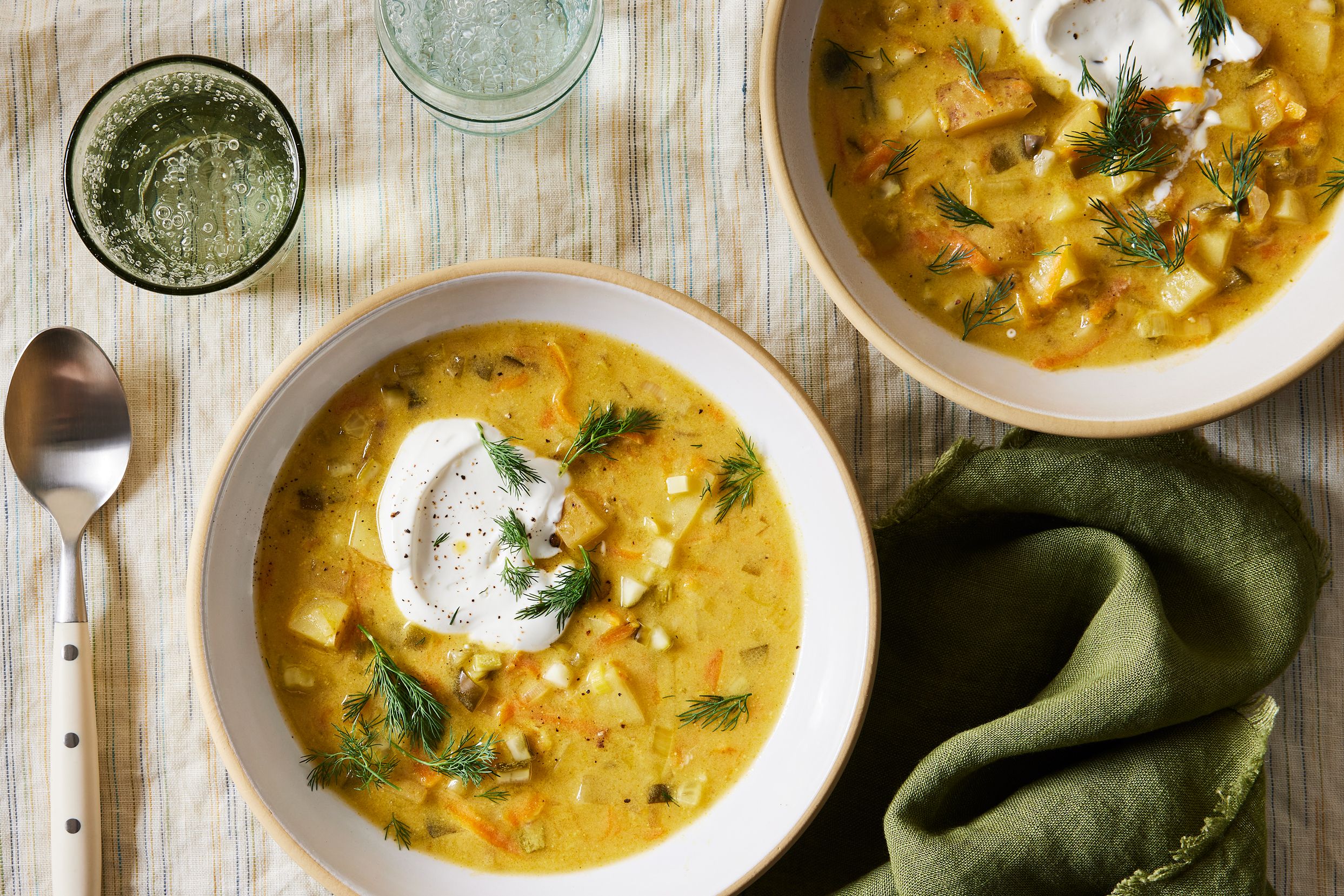
In the vast and varied tapestry of global cuisine, certain dishes stand out not just for their taste, but for the stories they tell and the heritage they embody. Among these culinary treasures from Eastern Europe, few are as intriguing and beloved as Zupa Ogórkowa, affectionately known to many as Polish dill pickle soup. This isn't just a soup; it's a warm embrace, a journey into the heart of Polish culinary traditions, and a testament to the country's ingenious use of preserved ingredients.
For the uninitiated, the idea of a "pickle soup" might raise an eyebrow, conjuring images of something overly sour or unconventional. However, Zupa Ogórkowa is a masterclass in balance and depth. It artfully combines the lively, acidic punch of fermented dill pickles with the creamy richness of potatoes, the subtle sweetness of root vegetables, and the comforting embrace of a savory broth, all brought together with a swirl of sour cream and a generous sprinkle of fresh dill. It’s a dish that warms the soul on a cold day, yet remains surprisingly refreshing. Let's delve into the distinctive world of this iconic polish dill pickle soup.
The Heart of Polish Cuisine: A Love Affair with Pickles
To truly understand Zupa Ogórkowa, one must first appreciate the profound role of pickles in Polish culture. In Poland, pickles, particularly pickled cucumbers (ogórki kiszone), are far more than a mere condiment; they are a deeply ingrained tradition, a culinary cornerstone passed down through generations. Many Polish families still practice home pickling, relying on time-honored recipes that forego vinegar in favor of a natural lactic acid fermentation process. This unique method gives Polish pickles a distinctively complex, nuanced sourness that is far richer and more savory than their vinegar-brined counterparts.
A specific type of pickle, Ogórki Małosolne (literally "lightly salted cucumbers"), represents an earlier stage of this fermentation. While delicious on their own, for a truly authentic polish dill pickle soup, tradition dictates using pickles that have been allowed to ferment for at least a week, if not longer. This extended fermentation develops the deep, characteristic sourness that is essential for the soup's robust flavor profile. This "no-vinegar" approach is what gives Polish pickles their unique character and makes them ideal for Zupa Ogórkowa, infusing the broth with a vibrant acidity that cannot be replicated with conventional pickles. To explore this unique advantage further, consider reading about Traditional Zupa Ogórkowa: The No-Vinegar Polish Pickle Edge.
The tradition of incorporating pickles into soups, known as zupy ogórkowe, highlights Poland's long-standing love for resourceful cooking. Historically, these preserved ingredients provided a crucial source of brightness and depth, especially during the long, lean winter months when fresh produce was scarce. The tangy, fermented notes of the pickles awaken the palate, transforming simple, hearty ingredients into something extraordinary and deeply satisfying.
What Makes Zupa Ogórkowa Uniquely Delicious? Flavor Profile Dissected
The allure of Zupa Ogórkowa lies in its masterful interplay of contrasting flavors and textures. At its foundation, you find a beautifully comforting base of creamy, starchy potatoes, complemented by the earthy sweetness of carrots and the aromatic depth of sautéed onions and celery. This vegetable medley provides a wholesome, grounding canvas for the star of the show: the dill pickles and their tangy brine.
When the chopped pickles and their juice are introduced, they infuse the broth with a lively acidity that cuts through the richness of the vegetables. This isn't a harsh sourness, but rather a bright, complex tang that elevates every spoonful. The "secret weapon" that rounds out this flavor symphony is sour cream. Stirred in at the end, it adds a velvety creaminess and a subtle richness that harmonizes with the pickles' sharpness, creating a wonderfully smooth and satisfying mouthfeel. Finally, a generous garnish of fresh dill not only adds a burst of vibrant color but also reinforces the soup's aromatic signature, connecting it directly to the dill often used in the pickling process itself.
The result is a dish that feels both rustic and familiar, yet excitingly different. The contrast of rich, starchy potatoes softened in broth against the lively acidity of pickles, then everything mellowed and enriched by creamy sour cream and fresh herbs, creates a complex and deeply satisfying experience. This balance ensures that while the soup is undeniably pickle-forward, it never becomes overwhelmingly sour, making it a beloved comfort food for many.
Crafting Your Own Bowl of Comfort: A Culinary Journey
Preparing a delicious bowl of polish dill pickle soup is a rewarding experience, transforming simple ingredients into a dish rich in heritage and flavor. The process begins with building a strong aromatic foundation. Diced onions, celery, and carrots are gently sautéed in olive oil, allowing their natural sugars to caramelize slightly and their flavors to deepen. This step is crucial for establishing the soup's comforting base.
Next, cubed russet potatoes are added, providing the essential starch that gives the soup its body and satisfying texture. A touch of all-purpose flour is then sprinkled over the vegetables, forming a light roux that will thicken the soup as it simmers, ensuring a creamy, cohesive consistency. This is followed by the addition of vegetable broth, the all-important chopped dill pickles, and a generous splash of dill pickle juice. Spices like salt, pepper, paprika, and turmeric are stirred in, each contributing to the soup's overall warmth and depth of color, with turmeric also adding an earthy note.
The mixture is brought to a boil, then reduced to a gentle simmer, allowing all the flavors to meld beautifully and the potatoes to become tender. This simmering period is where the magic truly happens, as the tangy pickle essence permeates the broth and vegetables. Once the potatoes are perfectly cooked, the pot is removed from the heat before the sour cream is stirred in. This critical step prevents the sour cream from curdling, ensuring a smooth, luscious finish. Finally, the soup is garnished with plenty of fresh dill, which provides a fragrant, herbaceous counterpoint to the rich and tangy broth.
Practical Tips for the Perfect Zupa Ogórkowa:
- Choose Your Pickles Wisely: For the most authentic flavor, seek out naturally fermented Polish dill pickles (ogórki kiszone) that do not contain vinegar. These pickles offer a deeper, more complex sourness. If you're interested in mastering the art of a truly creamy version, our Creamy Polish Dill Pickle Soup: A Traditional Comfort Meal offers further insights.
- Balance the Tang: The amount of pickle juice you add can be adjusted to your preference. Start with the suggested amount and add more gradually if you desire a more pronounced tang.
- Creaminess Factor: While sour cream is traditional, you can enhance the creaminess further by pureeing a small portion of the cooked potatoes and vegetables before stirring in the sour cream. Some variations even include a touch of heavy cream.
- Fresh Dill is Key: Don't skimp on the fresh dill! It's not just a garnish; its aromatic freshness is integral to the soup's overall character.
- Broth Quality: A good quality vegetable broth will provide a robust foundation for your soup. For a richer flavor, some recipes use chicken broth.
Beyond the Bowl: Serving Suggestions and Cultural Context
Zupa Ogórkowa is typically served hot, often as a hearty starter or a light main course, especially during the colder months in Poland. It pairs wonderfully with a slice of crusty rye bread, perfect for soaking up every last drop of the flavorful broth. Its comforting and warming properties make it a natural choice for winter meals, but its refreshing tang also makes it surprisingly appealing in other seasons.
This Creamy Polish Dill Pickle Soup: A Traditional Comfort Meal holds a special place in Polish family meals and is a testament to the nation's culinary ingenuity. It's a dish that evokes a sense of home, warmth, and tradition, a reminder of the simple yet profound pleasures found in resourcefully crafted food. Its enduring popularity showcases how well-loved and deeply rooted this soup is within the broader Eastern European culinary landscape, where hearty, flavorful soups are a staple.
Conclusion
Zupa Ogórkowa, the beloved polish dill pickle soup, is much more than an unusual culinary curiosity. It's a vibrant, comforting, and deeply flavorful dish that beautifully encapsulates Poland's rich gastronomic heritage. With its perfect harmony of tangy pickles, creamy potatoes, and aromatic herbs, it offers a unique taste experience that is both excitingly different and profoundly satisfying.
Whether you're a seasoned pickle enthusiast or an adventurous food lover eager to explore new flavors, embracing the tradition of Zupa Ogórkowa is a culinary journey well worth taking. It's a dish that warms the body, comforts the soul, and offers a delicious glimpse into the heart of Polish home cooking. So, gather your ingredients, savor the aroma, and enjoy a steaming bowl of this timeless Polish classic.
